

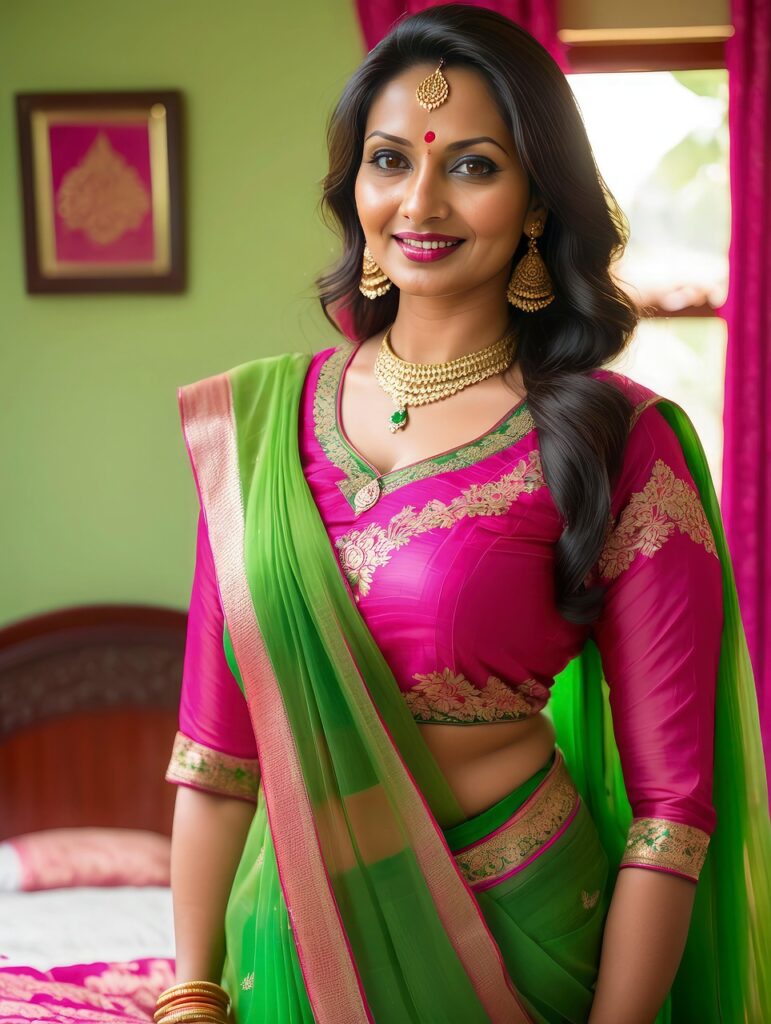
The saree is one of the most iconic garments in South Asian fashion, a timeless symbol of grace, tradition, and femininity. But while the saree itself is a simple, unstitched piece of fabric, the art of draping it beautifully requires technique. And at the heart of every perfect saree drape lies one essential detail: the pleats.
Pleats not only shape your saree but also define your silhouette, enhance movement, and give you that polished, elegant finish. Whether you’re getting ready for a wedding, an office event, or a casual outing, mastering pleats can completely transform your saree look.
This guide breaks down everything you need to know about saree pleats, what they are, how to make them, how to style them, and tips for achieving the perfect drape every single time.
What Are Saree Pleats?
Saree pleats are the structured, folded sections of fabric that are gathered together and tucked into the waistband at the front or side of your saree. They help:
- Create clean structure and fall
- Make walking easier
- Give the saree its traditional look
- Balance the drape and enhance your figure
Depending on the style, pleats can be:
- Front pleats (most common)
- Side pleats (regional drapes like Bengali)
- Pallu pleats (for the shoulder drape)
A saree typically includes 6–8 waist pleats measuring around 5–6 inches each, depending on fabric type and body shape.
Why Pleats Matter in a Saree Drape
Many women struggle with draping because their pleats don’t sit right. When pleats are neatly aligned and positioned properly, your entire saree instantly looks more refined. Good pleats:
Create a tailored appearance
Pleats remove excess bulk and shape the saree to your body, giving you an elegant silhouette.
Control fabric movement
Loose fabric can be a tripping hazard; pleats help secure your saree in place.
Highlight the design
Patterned sarees, especially Kanchipuram or Banarasi, look stunning when the designs align in the pleats.
Add grace
Flowing, even pleats, bring natural fluidity and movement to your drape.
How to Make Perfect Saree Pleats: Step-by-Step Guide
Here’s a simple, fool-proof method to achieve clean, uniform pleats:
Step 1: Start With the Right Foundation
Wear a well-fitted petticoat (tight at the waist) and blouse. This provides the grip needed to secure pleats.
Step 2: Wrap the Saree Around Once
Tuck the saree into the petticoat and wrap it around once, ensuring the bottom touch just above the ground.
Step 3: Measure Fabric for Pleats
Take the loose end (working end) from your left side and gather around 40–50 inches of fabric for pleating.
Step 4: Begin Folding
Hold the fabric between your thumb and forefinger and start making pleats 5–6 inches wide. Stack the folds neatly on top of each other.
Step 5: Align the Pleats
Once all pleats are formed, hold the set firmly and ensure their bottom edges are even.
Step 6: Secure With a Pin
Pin the pleats at the top to keep them from opening.
Step 7: Tuck Into the Petticoat
Slide the pleats slightly to the left and tuck them firmly into your waistband so they fan out gracefully.
Step 8: Adjust the Drape
Ensure the pleats fall straight and the saree blouse and petticoat aren’t showing.
How to Pleat the Pallu
While waist pleats define the structure, pallu pleats define the style.
Steps for Perfect Pallu Pleats:
- Spread the pallu section fully to understand the border direction.
- Start folding 4–6 inch pleats from one end to the other.
- Align all pleats so the border falls cleanly on top.
- Secure with a safety pin.
- Place on your shoulder and adjust the length, just below the knee is ideal.
Neat pallu pleats make your saree look crisp and professional.
Best Pleating Techniques Based on Fabric
Different fabrics behave differently. Here’s how to pleat them:
1. Silk Sarees (Kanchipuram, Banarasi)
- Heavy, so make fewer pleats (6–7).
- Use strong pins to hold weight.
- Ensure border alignment for elegance.
2. Chiffon, Georgette, Crepe
- Light, slippery materials.
- Make tighter pleats (8–10).
- Use small discreet pins.
3. Cotton Sarees
- Stiff material.
- Pleats hold well but require ironing.
- Best for structured, traditional drapes.
4. Satin Sarees
- Very slippery.
- Pre-pleating is recommended.
- Use multiple pins for stability.
How to Style Saree Pleats for a Modern Look
Pleats are not just functional, they’re also a fashion statement. Here are trendy styling ideas:
1. Center-Focused Pleats
Classic and slimming, perfect for all occasions.
2. Side Pleats
Seen in Bengali and Maharashtrian styles. Great for festive events.
3. Box Pleats
Adds bold structure; perfect for rich, heavy sarees.
4. Pre-Pleated Sarees
Modern and convenient, ideal for beginners.
5. Visible Border Pleats
Highlight intricate zari or embroidered borders; great for weddings.
Common Pleating Mistakes and How to Avoid Them
Making pleats too wide
- Leads to bulky, uneven drape
- Keep 5–6 inches width
Not securing pleats
- Fabric shifts while walking
- Always pin at least once
Uneven bottom edges
- Makes the saree look messy
- Lay pleats flat and even
Starting with the wrong tuck height
- Saree becomes too short or too long
- Keep hem just above the ground
Using a loose petticoat
- Pleats fall out
- Wear snug-fitting petticoat
Tips to Always Get Perfect Saree Pleats
- Iron pleats before tucking for a crisp finish.
- Use cloth clips to hold pleats while folding.
- Practice with cotton sarees before trying silk.
- Choose a saree length suitable for your height.
- Don’t hesitate to use safety pins, professionals always do!
Final Thoughts
Mastering the art of saree pleats can transform your entire drape and boost your confidence. Whether you’re a beginner learning the basics or someone trying to refine your style, understanding how saree pleats work and how to create them perfectly makes all the difference.
With practice, the process becomes seamless, and soon, you’ll be pleating your saree like a pro. Pleats bring elegance, flow, and structure to the saree, making them an essential part of traditional and modern drapes alike.